October 20, 2026
How to Track Labor Against Jobs Without Making Operators Hate the System
Read More
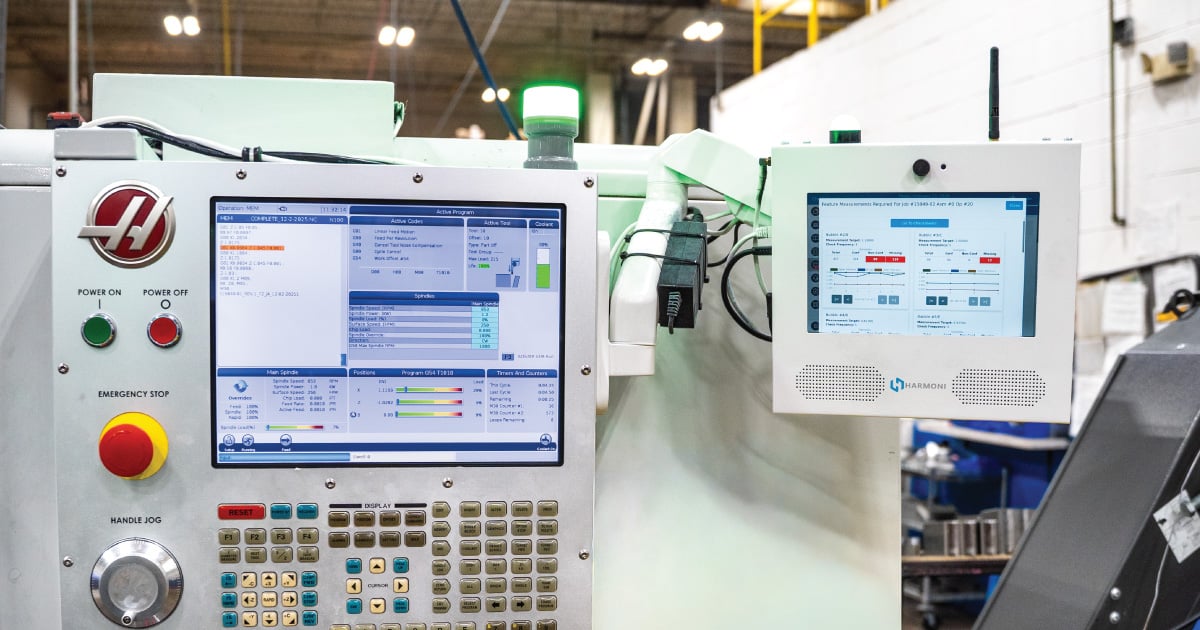
Every manufacturer faces the same daily challenge: keeping work moving with limited time, limited labor, and rising complexity. Unplanned downtime stops progress completely and creates frustration across the entire shop floor. When a critical machine breaks down, the production line suffers. Teams lose valuable time trying to locate maintenance personnel, diagnose the problem, and communicate the issue to other departments.
Autonomous shop floor coordination offers a better path forward. A factory orchestration system connects your equipment and your people. It brings real-time coordination and visibility to modern manufacturing teams. By automating the way your factory responds to disruptions, you can keep your operations running smoothly and support your workers when they need it most.
Traditional manufacturing often relies on reactive downtime response. A machine stops working. An operator notices the issue. They must leave their station to find a supervisor or write the problem on a maintenance whiteboard. Maintenance eventually sees the request and walks to the machine to diagnose the issue. This manual process wastes precious time and inflates the duration of the downtime.
Proactive downtime response changes this equation completely. A factory orchestration system monitors the shop floor constantly. It detects anomalies and triggers actions before a minor issue becomes a major bottleneck. Your team gains stronger process discipline, faster response to issues, and a more predictable flow of work across the plant.
Harmoni was built on a simple idea: factory execution should be clear, consistent, and informed by real data. Autonomous coordination puts this idea into practice by actively managing the steps that follow an equipment failure.
When a machine faults, the operator can immediately notify the correct maintenance technician right from their device. The technician receives an alert on their mobile device or tablet, detailing the machine location and the issue requiring attention. This automated alert ensures that the right person is informed promptly, enabling maintenance teams to address the problem faster and more effectively. By reducing delays in communication, the system helps minimize downtime and keeps operations running smoothly.
The system also supports the broader production line by providing real-time visibility. If a downstream machine goes offline, upstream operators can access timely updates about the disruption through the factory orchestration system. This allows teams to make informed decisions, such as pausing work or rerouting materials manually to available machines as needed. By improving communication and transparency, the system helps prevent bottlenecks and reduces the risk of work-in-progress inventory piling up on the factory floor.
Additionally, the system enhances overall efficiency by recording and analyzing data from various stages of production. This data can be used to identify patterns, highlight recurring issues, and pinpoint areas for improvement. For instance, a consistent delay at a specific workstation can signal the need for maintenance, process adjustments, or additional training for operators. With these insights, manufacturers can adopt a proactive approach to problem-solving, reducing downtime and improving productivity. By fostering a culture of continuous improvement, the factory orchestration system not only streamlines operations but also strengthens the reliability and competitiveness of the production line.
Manufacturers need clear visibility into their performance to drive continuous improvement. Autonomous coordination provides the data required to track specific efficiency metrics and measure success.
Overall Equipment Effectiveness (OEE) provides a clear picture of how well your assets perform. Autonomous coordination directly improves the availability component of OEE by reducing the time it takes to repair machines. Mean Time to Repair (MTTR) drops significantly when maintenance teams receive instant, detailed alerts instead of waiting for manual work orders. Businesses that implement these systems frequently experience immediate ROI. The savings come directly from recovered production time, increased throughput, and reduced labor waste.
Equipment failures, lack of preventative maintenance, and material shortages cause most unplanned downtime. Autonomous coordination helps address these issues faster by instantly alerting the right people.
A traditional Manufacturing Execution System focuses primarily on tracking production data and order execution. A factory orchestration system actively manages and coordinates tasks across both humans and machines in real time.
Yes. Small teams often face the biggest challenges with labor shortages and unexpected disruptions. Automating communication helps small teams do more with fewer resources, delivering immediate ROI and a better working environment.
Unplanned downtime no longer needs to dictate your production schedule or stress your workforce. A factory orchestration system empowers your team to work smarter and respond faster to any disruption. You gain a more predictable flow of work across the plant and a stronger foundation for future growth.
Ready to see how autonomous shop floor coordination can transform your operations? Reach out to our team today to explore how real-time visibility can support your manufacturing goals.