

Operators and Management Aren’t Talking—Here’s How to Fix That
Quick answer: Improving communication between operators and management requires structured feedback channels, shared digital tools, regular touchpoints, and a cultural shift toward transparency. With the right solutions in place, teams stay aligned on goals, problems, and progress—boosting productivity and reducing costly miscommunications. The communication gap between operators and management is a common issue in many manufacturing and operations environments. Operators on the shop floor witness problems firsthand—equipment issues, workflow inefficiencies, safety concerns—while management relies on reports and secondhand data. By the time information moves between these groups, it’s often delayed, filtered, or lost entirely. This disconnect doesn’t happen
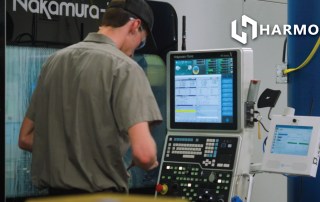
What #Automate2026 Taught Us About the Future of Automation
Automate 2026 made one thing clear—automation has moved beyond the factory floor. From AI-powered vision systems to humanoid robotics and cross-industry integration, the show confirmed that businesses not actively planning their automation strategy are already behind. Here's what the Harmoni team took away from this year's show. Every year, Automate raises the bar. But Automate 2026 felt different. The energy on the show floor wasn't just excitement about new products—it was urgency. The conversations happening in Chicago weren't theoretical. Engineers, operations leaders, and technology executives weren't asking "should we automate?" They were asking "how fast can we?" The
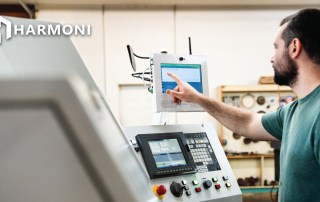
Why Operators Love Factory Orchestration on the Shop Floor
Factory orchestration platforms eliminate shared terminals, deliver always-current work instructions, and reduce the cognitive load for operators—transforming them from task-followers into empowered knowledge workers. The result is faster production cycles, fewer errors, and higher job satisfaction on the shop floor. Walk onto a traditional factory floor and you'll notice something almost immediately: operators spending time they don't have doing things that don't add value. Walking to a shared terminal. Waiting for a colleague to finish. Squinting at a laminated instruction sheet that hasn't been updated since last quarter. These aren't minor inconveniences—they're systematic inefficiencies baked into how most
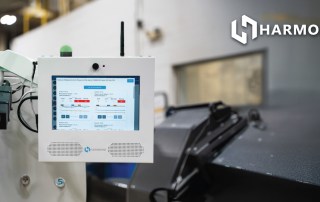
How to Solve Unplanned Downtime With Autonomous Coordination
Every manufacturer faces the same daily challenge: keeping work moving with limited time, limited labor, and rising complexity. Unplanned downtime stops progress completely and creates frustration across the entire shop floor. When a critical machine breaks down, the production line suffers. Teams lose valuable time trying to locate maintenance personnel, diagnose the problem, and communicate the issue to other departments. Autonomous shop floor coordination offers a better path forward. A factory orchestration system connects your equipment and your people. It brings real-time coordination and visibility to modern manufacturing teams. By automating the way your factory responds to disruptions,

Why Continuous Improvement Fails Without Real-Time Visibility
CI Managers are spending too much time chasing data and not enough time improving processes. This post explores why continuous improvement efforts stall without real-time visibility—and how Harmoni helps unlock the full potential of CI. Table of Contents Introduction: The CI Manager’s Dilemma You didn’t become a Continuous Improvement Manager to chase spreadsheets. But somehow, that’s how most mornings start—piecing together reports from the ERP, checking machine logs, pulling data from operators, and yet still left wondering if you’ve got the full picture. Reliance on manual processes and manual data entry creates barriers to
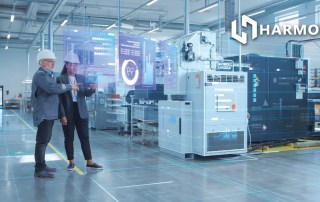
Manage Your Shop Floor With Time Tracking
Time is money on the shop floor. But for many manufacturers, knowing exactly how that time is spent—by people, machines, and processes—remains a frustrating black hole. On the factory floor, that’s where shop floor time tracking comes in. By capturing real-time production data on labor hours and machine usage, shops can eliminate guesswork and finally connect their workforce activity to costs, delivery schedules, employee schedules, and quoting accuracy. Yet most shops still rely on outdated methods like paper logs or distant terminals that take operators away from their machines and eat into productivity. Harmoni changes that with a smarter
What is Machine Monitoring? A Complete Guide for Manufacturers
Introduction to Machine Monitoring In today’s competitive manufacturing landscape, efficiency and productivity are more critical than ever. Machine downtime, unoptimized workflows, and lack of real-time data can lead to costly inefficiencies. This is where machine monitoring comes in—a game-changing technology that enables manufacturers to track, analyze, and optimize their production equipment in real time. Machine monitoring systems provide valuable insights into machine utilization, performance trends, and maintenance needs, allowing manufacturers to reduce waste, minimize downtime, and improve overall efficiency. Whether you’re managing a small machine shop or a large-scale production facility, implementing machine monitoring can help you make data-driven

Effective Production Monitoring: Enhancing Efficiency & Quality
Production monitoring is all about collecting real-time data from manufacturing processes to optimize resource allocation while also boosting efficiency and quality. Picture it as the brain of modern manufacturing, constantly gathering and analyzing production data to keep things running smoothly. This data-driven approach empowers manufacturers to make smart decisions, spot production hiccups, and drive continuous improvement. In this article, we'll dive into its key components, benefits, and how to seamlessly integrate it with other systems. Key Takeaways Production monitoring systems thrive on real-time data collection and integration, helping to improve manufacturing efficiency, quality, and equipment effectiveness dramatically. What

Measures of Success: Understanding TEEP vs OEE
Metrics That Matter Most manufacturing shops have two primary focus points when considering metrics: efficiency and performance. Understanding efficiency and performance is essential to increase production output, improve operations effectiveness, and enable competitiveness. Uncovering just what is holding your shop back from high performance and efficiency can drastically improve the shop flow and prevent unnecessary expenses in the hope of artificially correcting these numbers. Shops that want to increase efficiency and performance must measure and utilize two key metrics in their manufacturing operations: TEEP (Total Effective Equipment Performance) and OEE (Overall Equipment Effectiveness). Utilizing these metrics through machine monitoring provides
CNC Scrap Tracking and Metrics: Tools for Continuous Improvement in CNC Operations
From Scrap to Missed Profitability All CNC shops today can relate to the desire to continuously improve their processes and metrics, specifically when it comes to decreasing costs and increasing their rate of production on their shop floor. However, even with rising innovation in CNC systems, shops still regularly encounter setbacks due to scrap and rework. For manufacturers aiming to elevate their operations, optimizing scrap and rework metrics is paramount. Scrap can occur at any point throughout the machining process for a large variety of reasons making it difficult to anticipate. However, by observing why and when scrap occurs and
CNC Machine Data Collection and Analytics: Turning Numbers Into Insights
CNC Machine Productivity: Optimizing Manufacturing Operations Through Data In the world of CNC machine shops, the primary goal is always efficiency. Every machine shop and shop floor today is faced with the task of attempting to figure out how to increase efficiency and profitability in their day-to-day operations. But without the necessary tools to gather, store, and interpret machine tool data most shops have to rely on paper records or manual entry into their ERP as their source for machine data. This lack of insight results in shops missing out on full machine optimization, machine downtime tracking, and even further
How Is Your Shop Tracking Unattended Machining Time?
Unlocking Maximum Efficiency With the increasing demand for high-quality precision machining, more and more CNC machine shops are excited to use unattended machine running to meet these demands. Unattended machine running allows shops to keep the machining process and machine jobs running with minimal intervention from the operator. Meaning that shops dedicate more machine hours to production and can also reduce labor costs. While there are several benefits to automatization of machine running, it can be optimized even further with accurate tracking of unattended time — especially for shops utilizing vertical or horizontal machining centers and implementing lights out manufacturing

How To REALLY Be Measuring Manufacturing Efficiency In A Machine Shop
There is a myriad of ways to measure your manufacturing process efficiency, ranging from simplified utilization percentage measurements to calculating production efficiency with complex OEE calculations involving numerous loss factors. But what almost all existing methods of measuring efficiency miss, and what all machine shops suffer from to varying degrees, is the disconnect between spindle time and charged time, or the amount of time that an employee allocates to a job either through time cards or an ERP system. Let’s start with some basics on efficiency measurement before touching on how we can get the real picture of manufacturing productivity
