
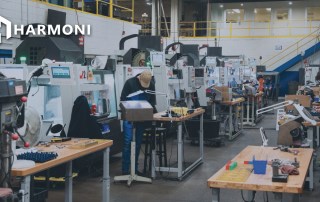
How Factory Orchestration Connects Your Existing Systems
Upgrading your manufacturing operations usually sounds like a massive headache. Upending current workflows, halting production, and throwing away expensive legacy equipment are common fears when factory managers hear the words "digital transformation." The reality on the shop floor is that systems rarely talk to one another. Your enterprise resource planning (ERP) software lives on a server, while the machines on the floor operate in complete isolation. Factory orchestration solves this communication breakdown without requiring a massive overhaul of your current setup. Instead of tearing down the infrastructure you rely on, modern orchestration platforms bridge the gap between your
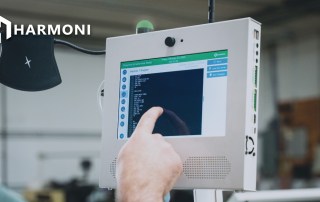
Why High-Mix, Low-Volume Manufacturing Needs Orchestration
High-mix, low-volume manufacturing presents a unique set of daily hurdles. Teams must manage a wide variety of products while producing them in small quantities. This constant shifting demands a high level of coordination. When systems lack connectivity, manufacturers face delays and confusion on the factory floor. A factory orchestration system brings real-time coordination and visibility to modern manufacturing teams. It connects equipment, people, and software to ensure smooth operations. Manufacturers gain stronger process discipline and a more predictable flow of work across the plant. This article explains the common challenges of complex production environments. You will learn how

4 Steps to Implement Factory Orchestration Without Disruption
Introduction: Navigating the Future of Manufacturing Modern manufacturing relies on precise coordination. You likely have advanced machinery, robotics, and software systems already functioning on your shop floor. Yet, extracting maximum value from these investments requires something more to tie them all together. Factory orchestration is the missing link. It connects disparate systems and processes, allowing your automation stack to communicate seamlessly. Many leaders hesitate to adopt new overarching systems. The fear of operational downtime is a powerful deterrent. Stopping production to install new software often cuts into margins and delays deliveries. However, a structured approach ensures a smooth

Why Continuous Improvement Fails Without Real-Time Visibility
CI Managers are spending too much time chasing data and not enough time improving processes. This post explores why continuous improvement efforts stall without real-time visibility—and how Harmoni helps unlock the full potential of CI. Table of Contents Introduction: The CI Manager’s Dilemma You didn’t become a Continuous Improvement Manager to chase spreadsheets. But somehow, that’s how most mornings start—piecing together reports from the ERP, checking machine logs, pulling data from operators, and yet still left wondering if you’ve got the full picture. Reliance on manual processes and manual data entry creates barriers to
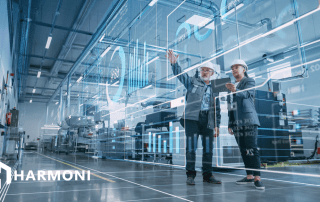
Industry 4.0 and Smart Manufacturing: for Factories and Machine Shops
Introduction: The Manufacturing Shift That’s Already Here The way things get made is changing—and not slowly. Across the country, machine shops and mid-size manufacturers are adopting smarter tools, collecting better data, and making faster decisions. This shift is powered by what’s known as Industry 4.0 and smart manufacturing, also referred to as the fourth industrial revolution and smart manufacturing. Fueled by technologies like the industrial internet and advanced data analytics, it’s not just for the big guys anymore — and it’s driving new expectations for smart factory solutions. If you’ve ever wondered what these terms actually mean—or how they apply

Effective Production Monitoring: Enhancing Efficiency & Quality
Production monitoring is all about collecting real-time data from manufacturing processes to optimize resource allocation while also boosting efficiency and quality. Picture it as the brain of modern manufacturing, constantly gathering and analyzing production data to keep things running smoothly. This data-driven approach empowers manufacturers to make smart decisions, spot production hiccups, and drive continuous improvement. In this article, we'll dive into its key components, benefits, and how to seamlessly integrate it with other systems. Key Takeaways Production monitoring systems thrive on real-time data collection and integration, helping to improve manufacturing efficiency, quality, and equipment effectiveness dramatically. What
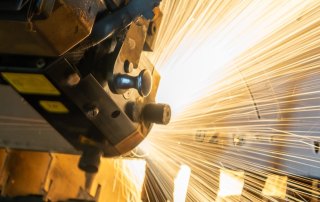
CNC Scrap Tracking and Metrics: Tools for Continuous Improvement in CNC Operations
From Scrap to Missed Profitability All CNC shops today can relate to the desire to continuously improve their processes and metrics, specifically when it comes to decreasing costs and increasing their rate of production on their shop floor. However, even with rising innovation in CNC systems, shops still regularly encounter setbacks due to scrap and rework. For manufacturers aiming to elevate their operations, optimizing scrap and rework metrics is paramount. Scrap can occur at any point throughout the machining process for a large variety of reasons making it difficult to anticipate. However, by observing why and when scrap occurs and
