October 20, 2026
How to Track Labor Against Jobs Without Making Operators Hate the System
Read More
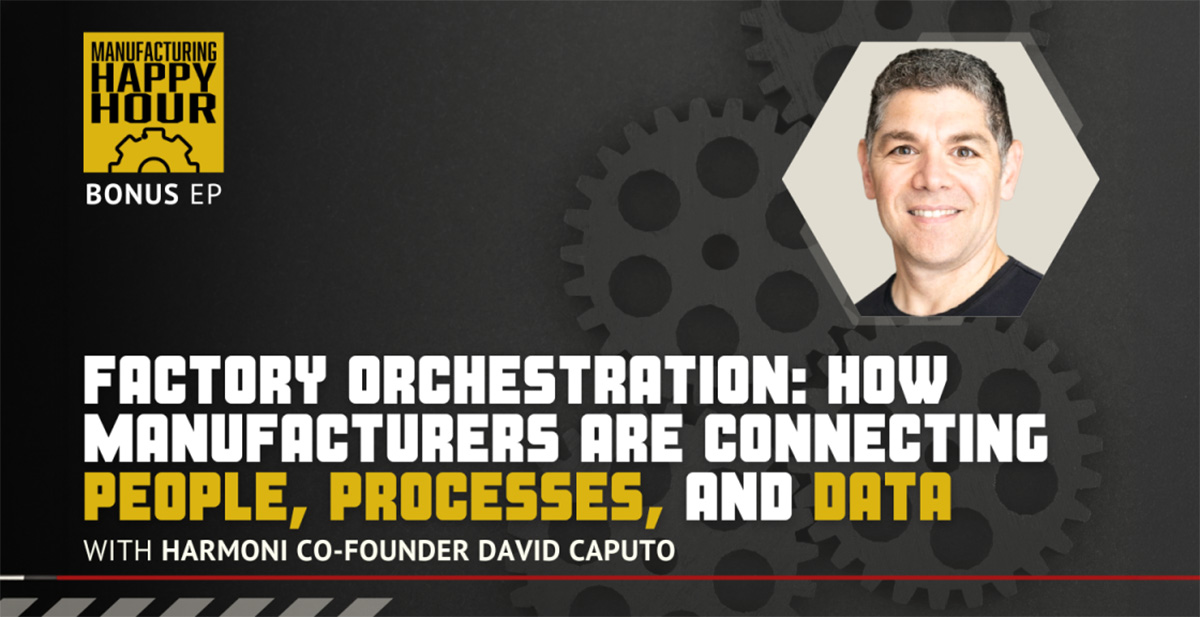
A big thank you to Chris Luecke for having David Caputo, Co-Founder of Harmoni, on a recent bonus episode of Manufacturing Happy Hour. The conversation, titled “Factory Orchestration: The Next Frontier of Manufacturing Operations,” gave David room to unpack the problems that led us to build Harmoni and what we are doing about them.
If you lead a shop floor, this one will hit home. Here is a quick recap.
David opened with a question worth sitting with. What if your biggest source of waste is not your machines, but the dead time before an operator ever reaches one?
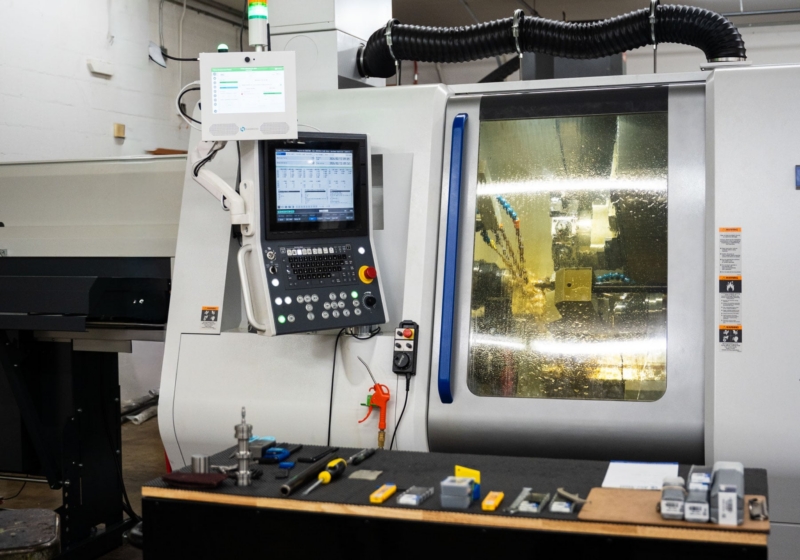
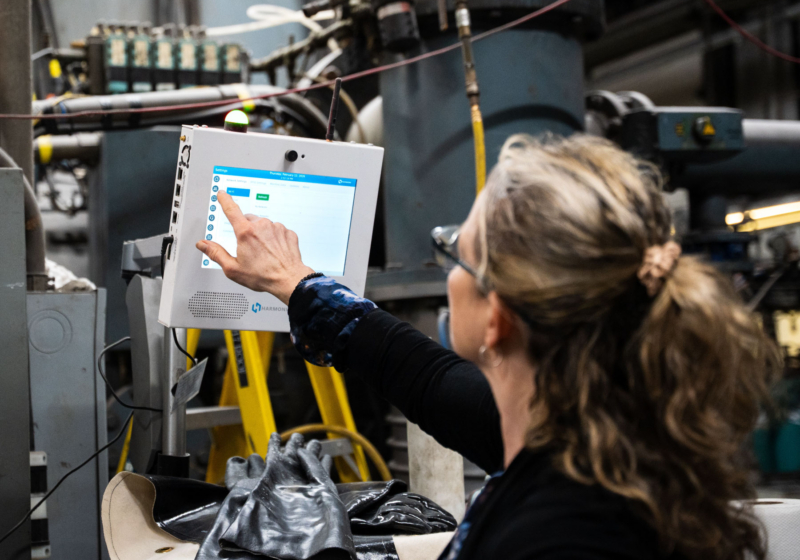
Picture a typical morning. Workers line up at one terminal to clock in, then line up at another to find their assignments. Multiply that across a full workforce, and the lost time adds up fast. It is the kind of quiet drag that rarely shows up in a report, yet it shapes how a plant performs every single day.
David’s perspective comes from running real operations, not studying them. Through his manufacturing-focused private equity work, he acquired and ran four aerospace and defense manufacturers. Each had solid technology for its time, and each still struggled with the same costly, avoidable mistakes.
Two stories stood out. A wing rib was scrapped at a cost of $18,000 because the wrong work instruction was on screen. A critical machine program was lost for good when the machinist who maintained it for a decade retired and moved away. These are not rare events. They are the everyday risks of disconnected systems and undocumented knowledge, and they are exactly what we set out to fix.
A core theme of the episode is that Harmoni is not another monitoring tool. We call what we built factory orchestration, and the goal is refreshingly simple: waste less time and make fewer mistakes.
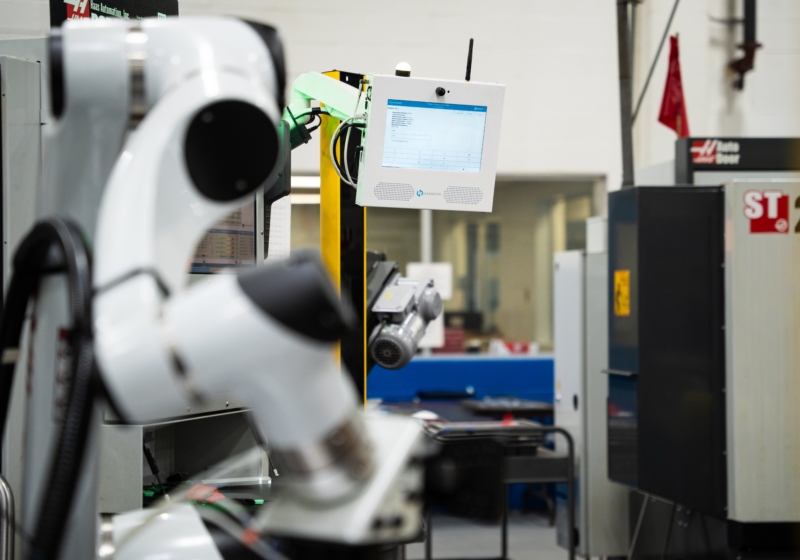
As David explained, a light that only tells you whether a machine is running misses the full picture. A machine can run while producing scrap or running well below its potential. Orchestration connects machines, people, and data so you can see what is actually happening and respond in real time. It works across three pillars:
Together, these give you tighter process discipline and a more predictable flow of work across the plant.
This is just a slice of the conversation. David and Chris cover much more, so grab a coffee and give it a listen. You can hear the full episode on Manufacturing Happy Hour here.