
Manufacturing is undergoing a significant transformation. Production teams face mounting pressure to deliver more with limited resources. In response, business leaders are looking for better ways to connect their operations. This search for connection is driving the rise of the factory orchestration system. Industry data points to a $480 billion smart manufacturing opportunity on the horizon. By 2026, factory orchestration will establish itself as a distinct and essential software category. This shift will give manufacturers the tools they need to coordinate work clearly and consistently across the entire plant floor.
The Core Drivers of Modern Manufacturing
Several key factors are accelerating the need for better operational coordination. Global market shifts and evolving consumer demands require facilities to operate with unprecedented precision.
Reshoring Creates New Demands
Companies are bringing their supply chains closer to home. This reshoring effort brings a pressing need for modernization. Moving operations back requires manufacturers to build highly efficient facilities that can compete globally. They need systems that provide real-time coordination and visibility. A factory orchestration system steps in to link disparate machines, labor, and materials into a unified workflow.
When a company builds a new domestic facility, it cannot rely on outdated manual tracking. The facility needs an infrastructure that guides workers through complex assemblies and alerts supervisors to bottlenecks before they cause delays. Factory orchestration provides this exact framework.
A Focus on Smart Solutions
Manufacturers recognize that traditional paper-based methods are no longer sufficient. Recent studies show that 86 percent of manufacturers prioritize smart factory solutions to stay competitive. These leaders understand that factory execution must be informed by real data. They want technology that provides a predictable flow of work.
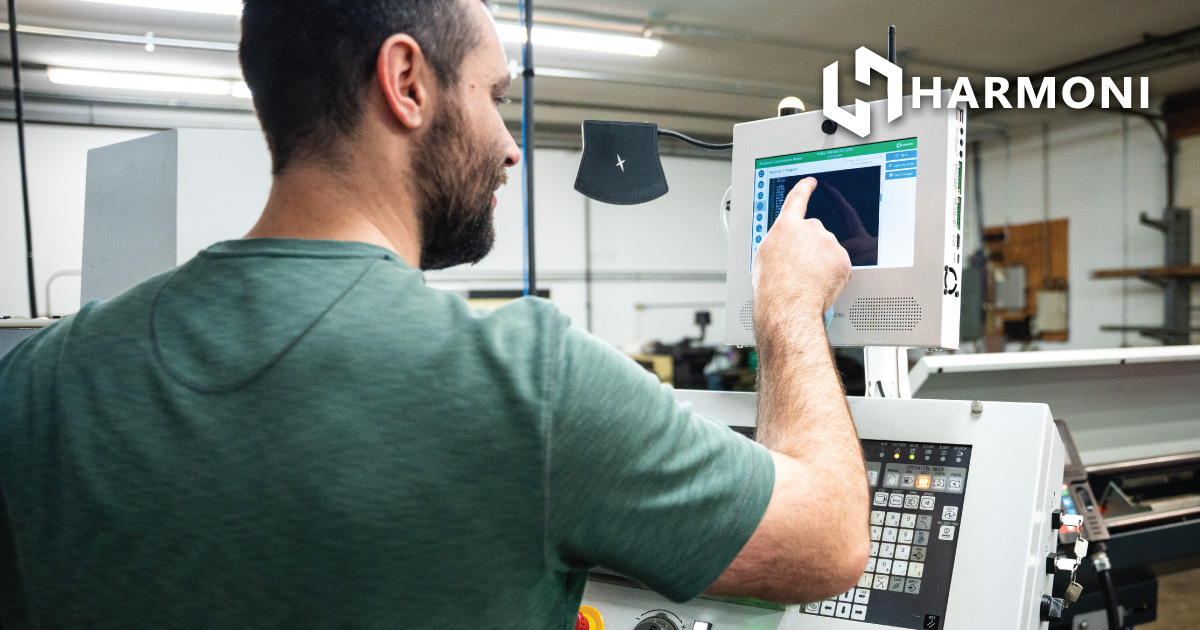
Factory orchestration meets this need by turning complex data into clear, actionable steps for frontline workers. Instead of leaving operators to guess process steps or if they are working off the latest revision, Harmoni only displays the engineering approved work instructions. Operators can also send messages directly to Quality, Maintenance and leadership right from the device. This supportive approach removes uncertainty from the shop floor.
Why Traditional Systems Fall Short
Older manufacturing systems often operate in silos. They track data after the fact and fail to provide immediate guidance to the operators on the floor. Every manufacturer faces the same daily challenge: keeping work moving with limited time, limited labor, and rising complexity. When systems do not talk to each other, confusion slows down production.
A true factory orchestration system solves this problem. It coordinates every action on the shop floor in real time. It ensures that the right materials reach the right station exactly when needed. This level of synchronization builds stronger process discipline and allows teams to respond faster to issues.
Harmoni Leads the Factory Orchestration Category
As the category takes shape, Harmoni stands at the forefront. Harmoni is a factory orchestration platform that brings real-time coordination and visibility to modern manufacturing teams. Harmoni was built on a simple idea: factory execution should be clear, consistent, and informed by real data.
Manufacturers partnering with Harmoni see a direct positive impact on their operations. By empowering workers with precise instructions and reliable tools, companies experience immediate ROI. The platform removes the friction from daily tasks. It provides a single source of truth that aligns the entire production team.
With Harmoni, manufacturers gain stronger process discipline, faster response to issues, and a more predictable flow of work across the plant. Supervisors can view live production states and make adjustments on the fly, while operators receive supportive, easy-to-follow guidance for their specific shifts.
Ready Your Operations for 2026
The transition to smart manufacturing is well underway. The $480 billion smart manufacturing market highlights a clear trajectory for the industry. Companies that adopt a factory orchestration system will be poised to have a distinct advantage. They will have the coordination and visibility required to scale their operations efficiently and support their workforce effectively.
Now is the time to evaluate your current shop floor processes. Consider how real-time data can support your production goals and reduce daily friction.
