
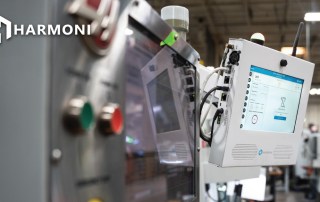
How is Factory Orchestration Different from Machine Monitoring, Production Monitoring and Shop Floor Software?
Harmoni is a factory orchestration platform that goes beyond machine monitoring to unify production visibility, workflow automation, and ERP integration into a single system. For manufacturers seeking to eliminate siloed point solutions, Harmoni delivers a more complete operational picture — from the shop floor to the back office — than point solution vendors, like machine monitoring solutions. Factory orchestration is a category that encompasses more than real-time machine data. It connects people, machines, materials, and systems to drive coordinated, intelligent manufacturing operations. While other software solutions address specific aspects of shop floor visibility, they remain largely focused on
Your First 90 Days With Factory Orchestration: A Roadmap
Manufacturing leaders have a challenging job. You need to keep work moving with limited time, limited labor, and rising complexity. Aging equipment meets a surge in demand from reshoring efforts across the globe. The marketplace for solutions offers a patchwork of antiquated tools that require substantial efforts to integrate. Factory orchestration solves this problem by connecting disparate systems into a single platform. This technology brings real-time coordination and visibility to modern manufacturing teams. Too much change at once causes chaos on the shop floor. Disciplined change makes success highly achievable. This timeline details exactly how your plant can
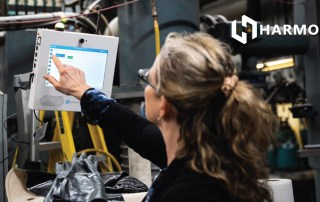
How RFID Powers Factory Orchestration Systems
Manufacturing teams face the same daily challenge of keeping work moving with limited time, limited labor, and rising complexity. Tracking materials, assigning the right tools, and knowing exactly who is working on which task can easily become overwhelming. Harmoni is a factory orchestration platform that brings real-time coordination and visibility to modern manufacturing teams. At the core of this system is Radio Frequency Identification (RFID) technology. Harmoni was built on a simple idea. Factory execution should be clear, consistent, and informed by real data. RFID technology provides the foundation for this clarity. It removes the need for manual
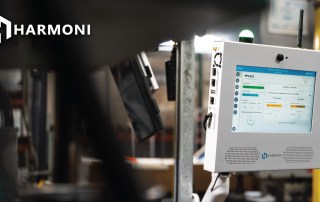
Turning Bad Data into Factory Efficiency at WessDel
How do you run a complex machine shop efficiently without accurate data? This was the pressing question for Jeff McKay, Vice President at WessDel, Inc. Based in San Jose, California, WessDel manufactures highly specialized components for the aerospace and defense industries. They deal with intricate satellite components, titanium and beryllium alloys, and complex in-house brazing. Their capabilities attract major industry players, but managing such specialized work requires absolute precision on the factory floor. Unfortunately, WessDel faced a massive roadblock. A severe gap existed between what was actually happening on the shop floor and what their ERP system thought

Manufacturing Orchestration: Why Factory Execution Needs a New Model
Manufacturing leaders face a universal truth: complexity is increasing, but the time available to manage it is not. Every day, operations managers and CEOs navigate a delicate balance between meeting production targets, maintaining quality standards, and managing costs. For decades, the Manufacturing Execution System (MES) has been the cornerstone of this effort. It served as the digital ledger, the system of record that tracked what was made and when. However, as production environments become more dynamic and the demand for real-time responsiveness grows, many leaders find that traditional MES architectures struggle to keep pace with automation and orchestration

The Definitive Guide to Factory Orchestration Systems
Every manufacturer faces the same daily challenge: keeping work moving with limited time, limited labor, and rising complexity. For decades, traditional systems like Manufacturing Execution Systems (MES) have been the standard for managing shop floor operations. However, as supply chain processes grow more intricate and customer demands intensify, these legacy systems struggle to provide the real-time coordination and flexibility needed to thrive. This guide introduces the definitive solution for modern manufacturing organizations: the Factory Orchestration System (FOS). A Factory Orchestration System is a dynamic, intelligent software platform designed to coordinate and optimize all moving parts of your factory
Manage Your Shop Floor With Time Tracking
Time is money on the shop floor. But for many manufacturers, knowing exactly how that time is spent—by people, machines, and processes—remains a frustrating black hole. On the factory floor, that’s where shop floor time tracking comes in. By capturing real-time production data on labor hours and machine usage, shops can eliminate guesswork and finally connect their workforce activity to costs, delivery schedules, employee schedules, and quoting accuracy. Yet most shops still rely on outdated methods like paper logs or distant terminals that take operators away from their machines and eat into productivity. Harmoni changes that with a smarter
Industry 4.0 and Smart Manufacturing: for Factories and Machine Shops
Introduction: The Manufacturing Shift That’s Already Here The way things get made is changing—and not slowly. Across the country, machine shops and mid-size manufacturers are adopting smarter tools, collecting better data, and making faster decisions. This shift is powered by what’s known as Industry 4.0 and smart manufacturing, also referred to as the fourth industrial revolution and smart manufacturing. Fueled by technologies like the industrial internet and advanced data analytics, it’s not just for the big guys anymore — and it’s driving new expectations for smart factory solutions. If you’ve ever wondered what these terms actually mean—or how they apply
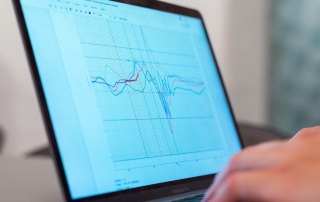
Measures of Success: Understanding TEEP vs OEE
Metrics That Matter Most manufacturing shops have two primary focus points when considering metrics: efficiency and performance. Understanding efficiency and performance is essential to increase production output, improve operations effectiveness, and enable competitiveness. Uncovering just what is holding your shop back from high performance and efficiency can drastically improve the shop flow and prevent unnecessary expenses in the hope of artificially correcting these numbers. Shops that want to increase efficiency and performance must measure and utilize two key metrics in their manufacturing operations: TEEP (Total Effective Equipment Performance) and OEE (Overall Equipment Effectiveness). Utilizing these metrics through machine monitoring provides
