October 27, 2026
Why More Factory Data Doesn’t Automatically Create Better Decisions
Read More
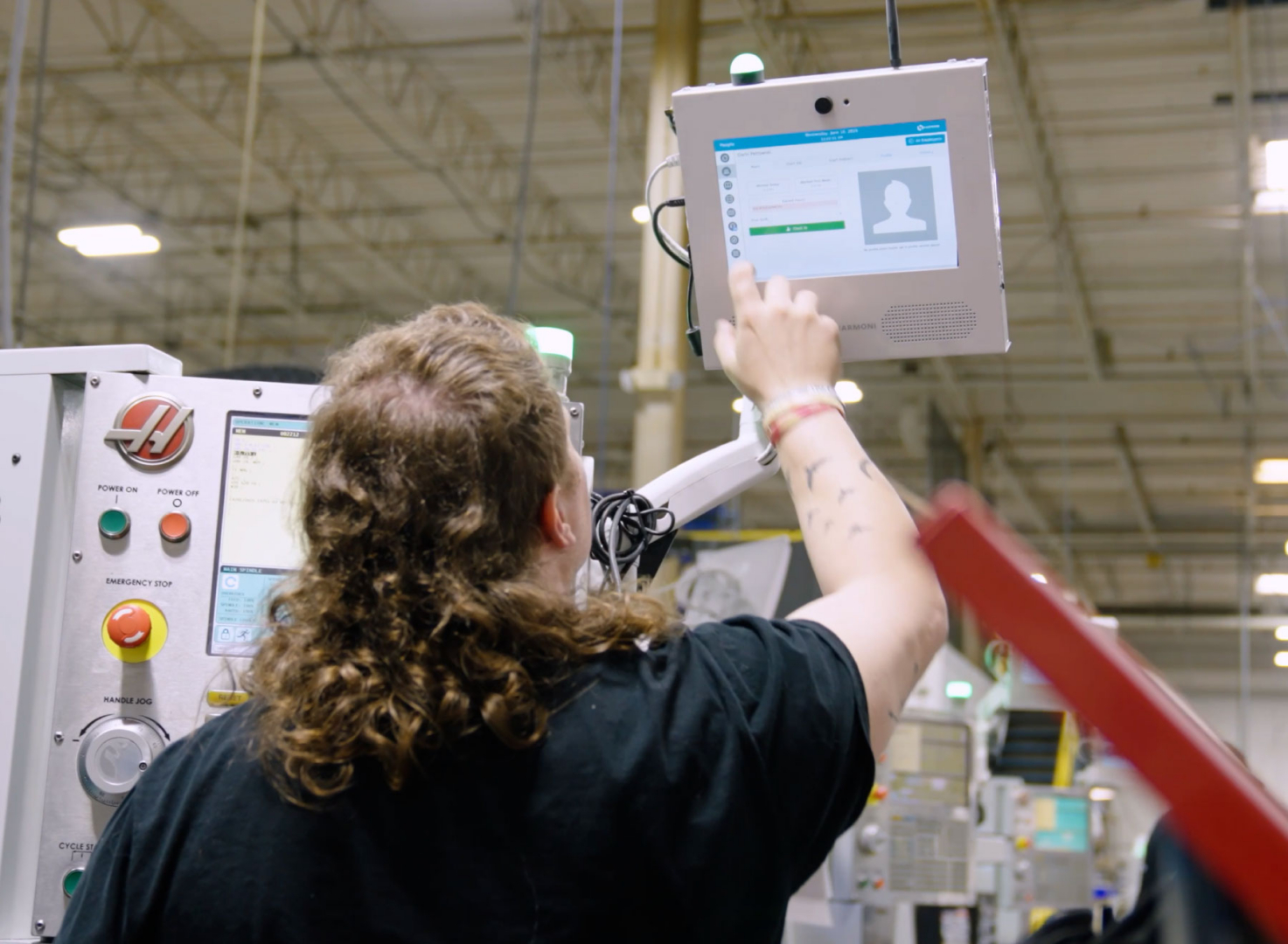
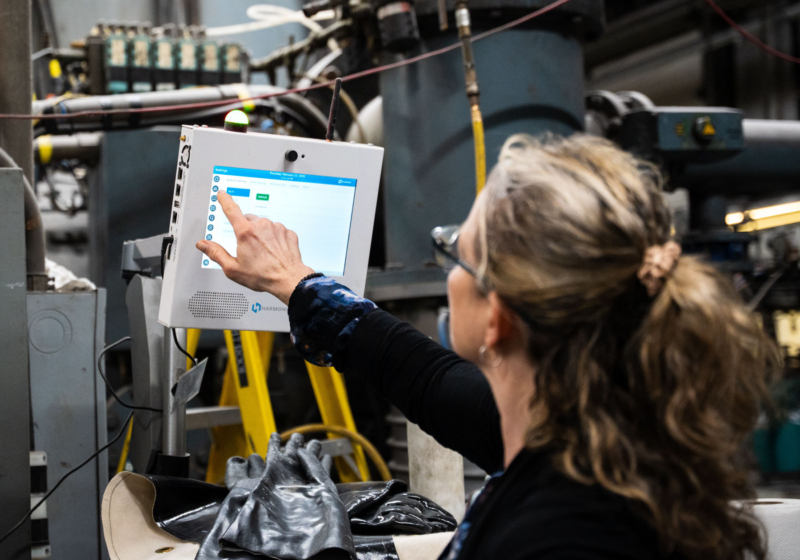
For years, manufacturers have invested in machines, software and automation. Yet on many shop floors, those technologies still operate in silos. Production information is spread across systems, processes and people. Operators are left to bridge the gaps—tracking down answers, coordinating work and keeping production moving.
That puts a growing burden on the people who know how to make things. It also makes it harder for manufacturers to get the full value from the technology they already own.
As the United States looks to strengthen domestic manufacturing, adding capacity is only part of the challenge. “Made in America” cannot simply mean making products at a higher cost. Manufacturers need ways to improve how their factories operate and compete.
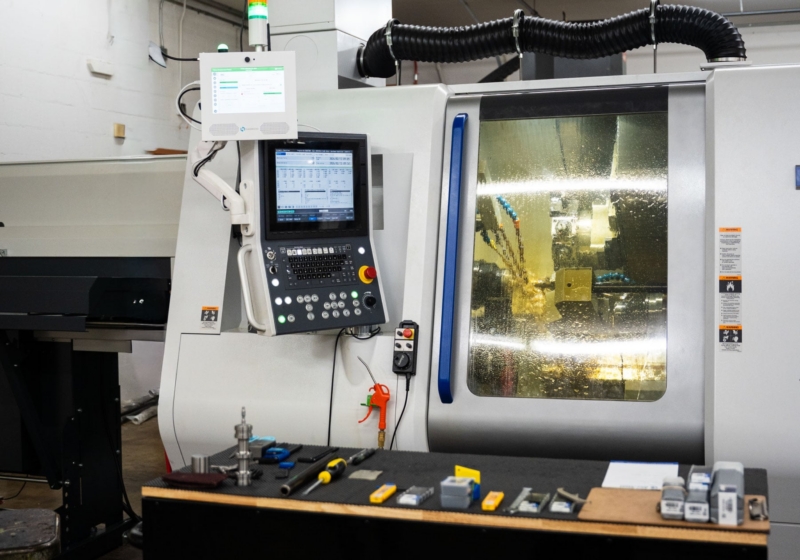
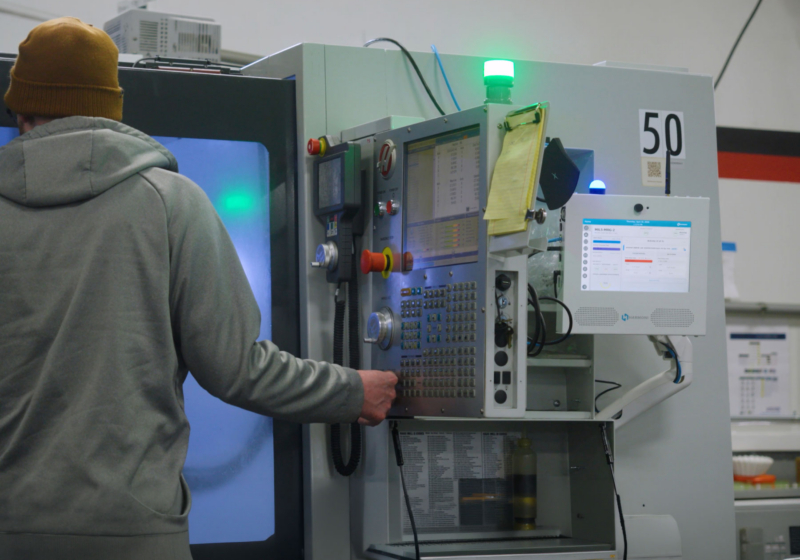
A factory can have advanced equipment and capable software while still lacking a clear, connected view of what is happening across production. A machine may report its status in one system, job details may live in another, and operators may rely on paper, spreadsheets or conversations to fill in the gaps.
When these tools don’t work together, people become the integration layer. They spend time searching for information, relaying updates and reconciling what different systems say. That can slow decisions and make it harder to respond consistently when production changes.
The opportunity is not just to collect more factory data. It is to connect the people, machines, systems and processes that depend on that data—so teams can coordinate work as it happens.
Factory Orchestration is an operating model for coordinating activity across the factory. Harmoni’s Factory Orchestration platform brings together three capabilities: Automation, Process Control and Observability.
Automation helps reduce manual work and connect tasks across the operation. Process Control helps ensure the right instructions, programs and requirements reach the people and machines doing the work. Observability gives teams a clearer, real-time understanding of production.
Together, these capabilities help manufacturers make better use of their existing equipment and systems. They give people a shared view of work in progress and help connect what needs to happen with what is happening on the floor.
That coordination matters for factories of every size. The factories of the future will be more connected and increasingly autonomous. But manufacturers don’t have to wait for a completely new factory to begin moving in that direction. They can start by giving the factories they already have better ways to coordinate.
AI could help people find information and make decisions faster, but useful factory AI needs to understand the work taking place around it. A generic chatbot does not know which job is running, what process applies or what is happening on a particular machine.
HAL, the Harmoni AI Lieutenant, is AI for the front line that understands factory context. HAL is designed to help surface what matters, suggest an appropriate next step and recognize when an issue needs to be escalated.
The goal is to make factory knowledge easier to access while keeping people central to production decisions. When AI can work from operational context, it has the potential to provide answers that are relevant to the job in front of an operator—not just general information.
The future of manufacturing will depend on people, machines and software working together. Building new facilities and adopting new technologies will be part of that future, but so will helping today’s factories adapt and compete.
The people who know how to make things need systems that understand how production works. Factory Orchestration offers a way to connect the tools manufacturers already use, coordinate work across the operation and create a stronger foundation for what comes next.